Dear reader, hey 😊.
I hope you’ve been keeping safe and are actively pursuing your dreams ✨.
We open this year with a blog series that focuses on the ongoing global shortage of microchips. If you are Kenyan, you’ll feel at home with matters of “chip shortage” given the recent KFC ran out of their distinguished french fries (chips) in all their Kenyan branches. However, for this series, we will be focusing on the microchips that power modern electronic devices.
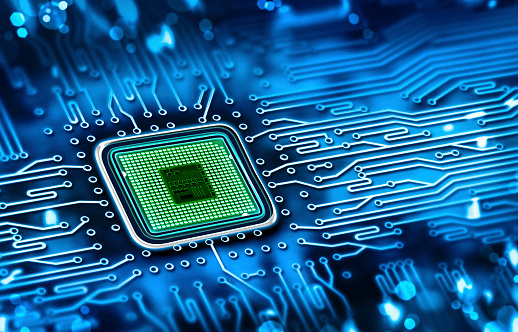
Supply chains were disrupted at the start of the global COVID pandemic 2020. Government restrictions on the movement of goods became a stumbling block in the transportation of goods between countries. Given the increased modernization that has transformed our world into a business village, a disruption in the movement of goods meant that businesses could no longer operate at peak efficiency, particularly those trading across borders.
One industry that was greatly affected was the “semiconductor industry”.
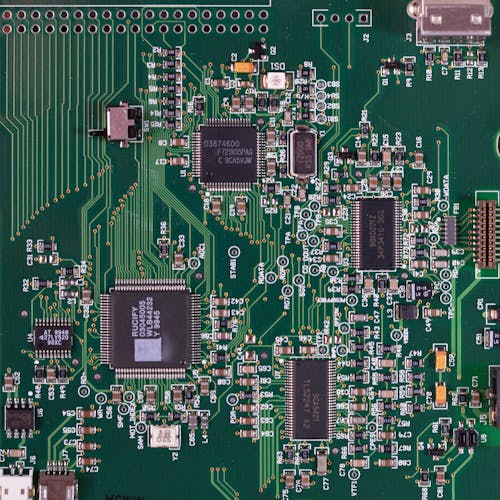
You are most likely reading this blog on an electronic device right now. Our electronic devices must be powered in order to function, and numerous semiconductors are at the heart of this power. Semiconductors power our modern world, from smartphones, laptops, cars, televisions, and medical devices to refrigerators, washing machines, and the futuristic Internet of Things (IoT).
A semiconductor is a material that is able to carry an electrical current between highly conductive elements, like metals, and less conductive materials like ceramics. Semiconductors are very important in the production of microchips, which are networks of electronic circuits printed on an embedded flat piece of silicon. Electronics run smoothly thanks to microchips.
As a result of the global COVID-19 pandemic, many people were compelled to increase their demand for electronic products, particularly laptop computers, in order to work from home. As the demand for electronic devices increased, so did the demand for microchips to power these devices. However, due to limited supply, companies that dominate the smart device space and companies in the automotive industry felt this shortage and are still trying to recover to this day. Companies in the automobile industry were impacted when economies began to recover and many people increased their desire to own automobiles.
As a result, in the coming blogs, we will look at how this industry works, who the players are, how companies have tried to adapt to the shortage, and how we as Kenyans are affected. Keep an eye out and I hope to see you on the next blog.
Thank you for reading and have a blessed week 😊.

 frank.finance